
Communication Receiving Via Legacy of Dead Slot within Canada Spirituality
inbet Casino betreft een Veilig en Betrouwbaar Online Casino voor Gokkers uit Nederland
June 23, 2026Canadian Bonuses and Rewards at Thorfortune Casino
June 23, 2026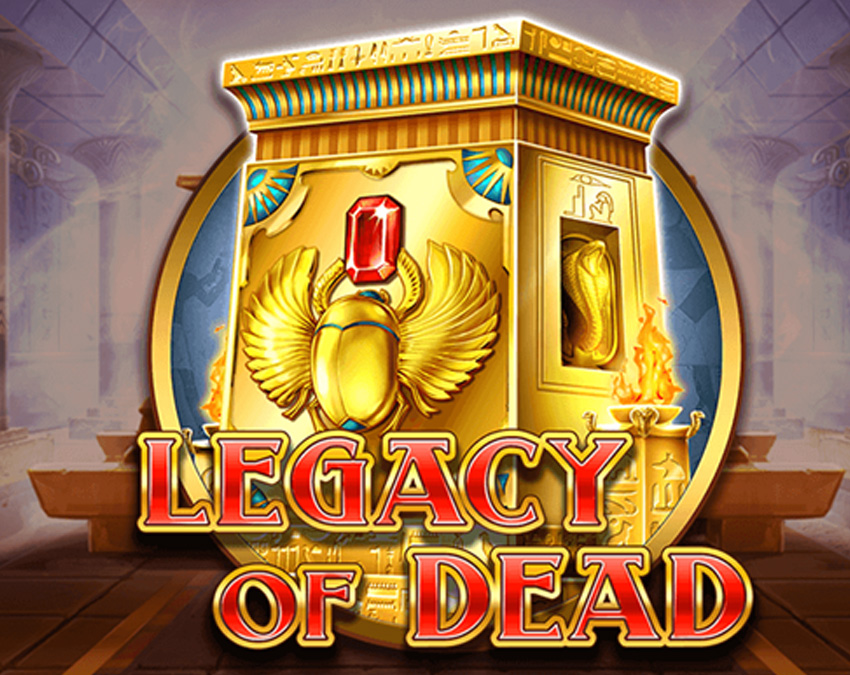
What transpires when a virtual reel game confronts spiritual contemplation? For some enthusiasts in Canada, the online experience App Legacy Of Dead Slot of Dead has turned into an surprising space for reflection. Its Pharaonic afterworld motif, filled with gods, kings, and icons of immortality, echoes inquiries we each ponder about fortune and bond. This article looks at how individuals are discovering individual meaning in the spinning of its virtual reels, using the experience as a reflection for their own paths.
Principled Considerations and Grounded Practice
Combining spiritual pursuits and wagering demands utmost caution. We have to state this explicitly: Legacy of Dead is designed for amusement. Its outcomes are generated by a random number generator, not by supernatural forces or past voices.
Never let a quest for significance become an justification for uncontrolled play. Set clear, non-negotiable boundaries on your duration and budget. Real-world ties and established spiritual practices should always come first. This gaming reflection should merely be a minor supplement. Stay grounded in the physical world.
Upholding Healthy Boundaries
Draw your lines before you begin. Decide you will play for twenty minutes, or that you will cease if you lose a set value. Then adhere to that strategy, no matter what trends you imagine you see or what hunch you feel. This restraint keeps the activity a managed journey. It prevents it from sliding into becoming compulsive. Your real-world well-being is the sole priority that is important.
Decoding the Egyptian Underworld in Legacy of Dead
Legacy of Dead goes beyond Egyptian decor; it builds its whole world on such ancient convictions. The sacred system of the pharaohs was focused on the soul’s path, assessment, and endless life. The game utilizes this structure. Every symbol on the reel is a piece of that system. For players searching for more than a victory, these symbols present a code to interpret.
Key Symbolic Characters and Their Meanings
To grasp the symbolic weight, you must know the entities. Each one takes on a part from Egyptian cosmology, reimagined now as analogies a modern person may discover strangely relevant.
The Pharaoh and the Deities
The discoverer character, who pays out the maximum, is you. He’s the soul traversing the duat, the Egyptian afterlife. Then there are the gods. Anubis, with his jackal head, oversees mummification and protected passage. His arrival on a reel can seem like an acknowledgement of being in transition, of moving from one phase to another. These figures turn the game grid into a chart of spiritual quest.
Scarab Beetles, The Eye, and Ankhs
Even the lower-value symbols are rich in meaning. The Scarab beetle was an icon of regeneration, moving the sun across the sky each day. Noticing it can be a signal of individual change. The Eye of Horus promises security and integrity. The Ankh, that ringed cross, is simply the symbol of life, a promise of eternal life. Watching these icons whiz past repeatedly can focus the mind on these timeless notions.
Channeling and Contemplation: The Gamer’s Perspective
None of this works if you’re merely observing your bankroll. The change happens in the gamer’s psyche. It demands moving from a mindset of pure gain to an attitude of mindful observation. The game becomes less like a lottery and more like an interactive focus point, a digital arena where patterns might emerge.
Attempt to set a calm purpose before you play. It doesn’t need to be complex. Maybe you’re wondering about a path in your life, or you aim to be available to whatever the spin offers. As the symbols rotate, observe more than win lines. Notice which symbols appear in clusters. Focus on the inner hunch a particular spin gives you. The “signal” isn’t usually shouted; it’s a subtle idea that forms in the space between the symbols and your inner dialogue.

Establishing a Ritual Space
You can enhance this perspective with a simple ritual. Remove the clutter from your workspace. Minimize unnecessary browser tabs. Do three conscious breaths to ground yourself. By designating this time as separate from casual scrolling or gaming, you indicate to your inner mind that you are stepping into a space for reflection. This small act prepares you to connect with the archetypes on a deeper level.
Interpreting the Communications: Moving from Symbols to Inner Understanding
How do these signals take? They are almost never direct instructions. Rather, they are subjective nudges drawn from your interaction with the game. Their meaning depends entirely on your life and your current questions.
Picture a spin filled with Ankh symbols. For you, that could become a reminder to check in on your own vitality, or the life force of a project. Activating the Free Spins feature with the expanding Pharaoh can be a prompt to own your authority in a difficult situation. The trick is to notice what catches your attention, then sit with that feeling after you log off.
Also a long run of losing spins carries possible significance. In place of just bad luck, it may transform into a lesson in patience. It can offer detachment from a specific outcome, or the value of staying on your path even when rewards aren’t immediate. This reframing changes frustration to a chance for contemplative learning.
Game mechanics as Symbol: Turns, Danger, and Revelation
The manner the game functions can itself be read as a kind of lesson. The mechanics aren’t just random; they build a structure that mirrors spiritual ideas. Engaging becomes an active engagement with ideas of destiny, choice, and insight.
- The Reel: This is your step, your cast query. It’s a release of authority, a little step into chance.
- Complimentary Reels & Enlarging Signs: Consider of these as times of blessing or unexpected insight. When one image spreads to occupy a whole strip, it’s like a solitary idea unfolding to saturate your consciousness, offering a more distinct view.
- The Gamble Feature: This parallels the risk built-in in any deep dive. After a victory, you can decide to risk it for a opportunity at additional. It’s the spiritual parallel of choosing to lean into uncertainty, aware you may end up with less, or with additional.
- Variance: Legacy of Dead is a high-variance title. Payouts are rarer but can be bigger. This pattern echoes the unpredictable pace of many individual journeys—long stretches where not much seems to transpire, broken by unexpected, meaningful instances.
The Sacred Landscape of Gaming and Iconography
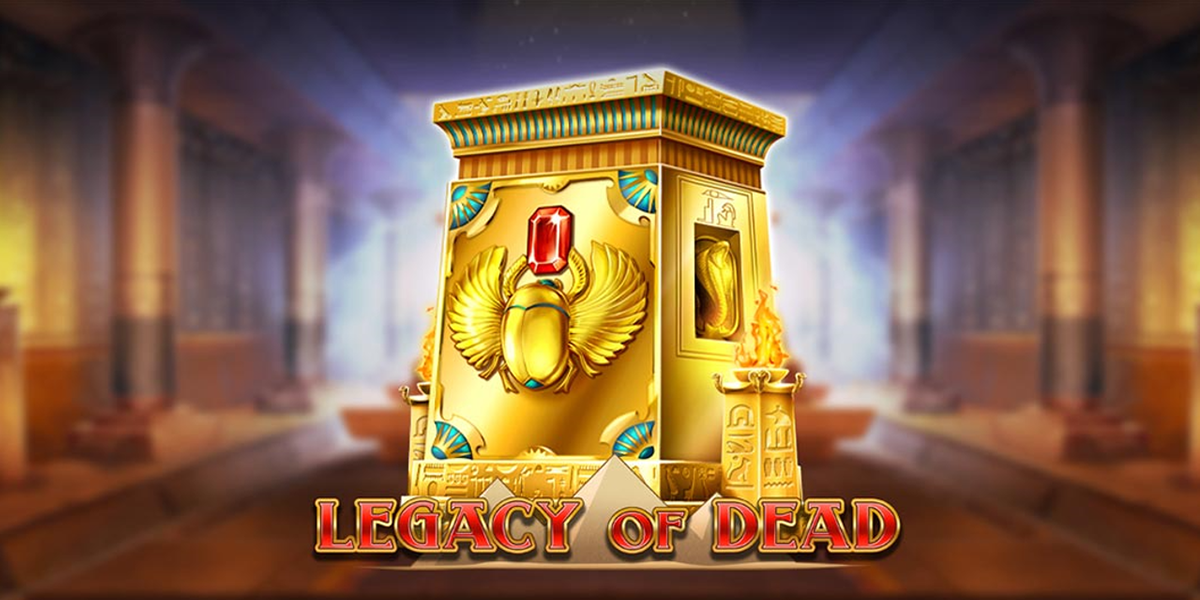
Digital games are never just games. They hold tales, motifs, and elements of our shared psyche. Legacy of Dead stocks its reels with strong icons—gilded tombs, stern deities, sacred beetles. These images draw from a rich well of mankind’s iconography. For a user in the correct frame of mind, they can spark a moment of introspection. The game’s world becomes a canvas for pondering one’s own heritage, or the mystery of what lies after.
There’s a cadence to playing slots that feels similar to meditative practice. You make your stake, you press spin, you pause. That loop of chance, anticipation, and occasional reward echoes the forbearance many cultivate on a personal path. The plain act of spinning can turn into a small ritual. It’s a pause, a breath, a chance to surrender and observe what emerges. This aspect changes the game from a mere diversion into a singular kind of electronic world.
FAQ
Is Legacy of Dead truly intended for esoteric messaging?
Absolutely not. Play’n GO made this slot as an entertaining slot game. The esoteric dimension becomes something some players add themselves, reading its powerful themes and imagery through a personal lens. It’s a user-generated practice, not part of the original design.
Can one truly communicate with ancestors through a slot game?
Consider it a catalyst instead. Its motifs of heritage and what lies beyond could provoke your reflections on your lineage or life story. Most insights are self-generated, using the game’s imagery as a prompt for reflection, not as a direct line to the deceased.
Which is the most spiritually significant symbol in Legacy of Dead?
Many point to the Ankh, the classic symbol for eternal life. The Scarab beetle, representing rebirth, is nearly as significant. However, the real answer depends on the individual. The most significant symbol is the one that consistently grabs your attention and feels charged with meaning during your play.
Does this method require acceptance of Egyptian deities?
You don’t need to believe. One can consider the deities of ancient Egypt as symbolic figures representing universal concepts. Anubis represents guidance through change. Osiris embodies rebirth and rejuvenation. You can work with these ideas psychologically or metaphorically, without requiring literal belief in the ancient deities.
What sets this apart from gambling superstition?
Superstition tries to sway luck— touching wood, sporting a lucky shirt. The mindful technique does not concern controlling the outcome. It’s about finding inner understanding, win or lose. The main distinction lies in your objective: one aims for external reward, the other targets self-reflection, always adhering to responsible gambling boundaries.
What are the dangers of blending spirituality and gaming?
There are definite risks. The greatest risk is mistaking a spiritual feeling for a sign to keep playing past your limits. It may turn into a dangerous rationale for pursuing losses. That’s why the rules about time and financial limits are absolute. View this as a quick mindfulness exercise, never as a directive for your wagering choices.
Can I practice this with other themed slot games?
Yes, you can. Any slot game with a deep world of symbols can work. Games inspired by Norse legends, Asian legends, or even cosmic exploration present their own visual themes. The important thing is selecting a subject that connects with you on a personal level, one whose symbols can act as mirrors for your own thoughts and questions.
